
Effective Snoring Solutions for Quieter Nights and Better Sleep
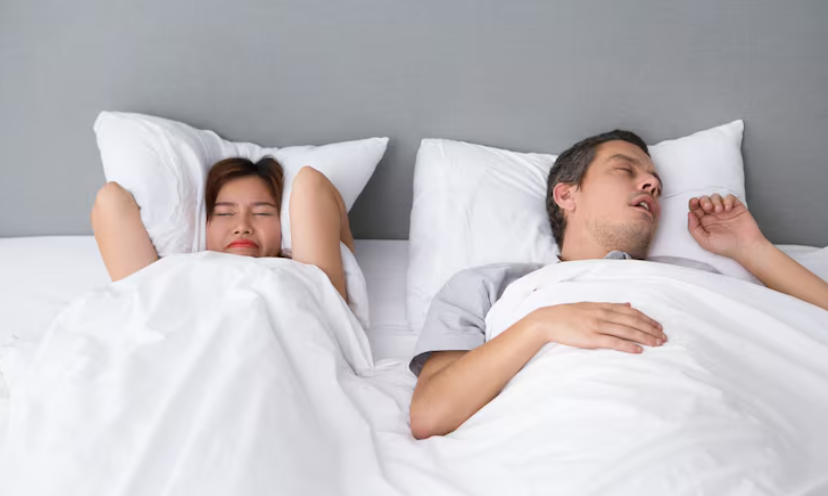
Snoring can affect sleep quality for both the person who snores and anyone sharing the same bedroom. While occasional snoring may not be a major concern, frequent or loud snoring can disturb rest, cause frustration, and sometimes indicate an underlying health problem. Finding suitable snoring solutions can help reduce nighttime noise, improve comfort, and support healthier sleep habits.
Snoring occurs when air struggles to move freely through the nose or throat during sleep. As the surrounding tissues relax and narrow the airway, they may vibrate as air passes through. The sound can range from a soft noise to loud, persistent snoring that interrupts a partner’s sleep.
The most effective approach depends on what causes the problem. Some people benefit from simple lifestyle changes, while others may need a dental appliance, treatment for nasal congestion, or medical assessment for a sleep-related breathing disorder. Understanding the available options can help people choose a practical way to achieve quieter and more restful nights.
Understanding the Common Causes of Snoring
Snoring usually develops when airflow through the upper airway becomes restricted during sleep. The muscles in the throat naturally relax, and the tissues around the airway can partially block the passage of air. This creates vibrations that produce the familiar snoring sound.
Several factors can make this more likely. Nasal congestion caused by allergies, colds, or irritation can make breathing through the nose difficult. People may then breathe through their mouths, which can contribute to snoring.
Body weight can also play a role. Excess tissue around the neck and throat may narrow the airway, increasing the chance of restricted airflow during sleep. However, snoring can affect people of different body sizes, so weight is not the only explanation.
Alcohol and certain sedating medicines can relax the muscles around the airway. Using alcohol close to bedtime may therefore make snoring worse. Sleeping on the back can also contribute because gravity may encourage the tongue and soft tissues to move towards the back of the throat.
Anatomical factors, such as enlarged tonsils, a narrow airway, or a deviated nasal septum, may contribute as well. Identifying the likely cause is an important first step because the most suitable treatment depends on the reason snoring occurs.
Lifestyle Changes That May Reduce Snoring
Simple changes to everyday habits can help some people reduce snoring. These approaches are often a useful starting point, especially when the problem is related to sleeping position, alcohol consumption, or other modifiable factors.
For people who carry excess weight, gradual weight management may reduce pressure around the upper airway. Even modest changes may help some individuals, although the results vary. Maintaining a balanced diet and regular physical activity can support general health alongside any snoring treatment.
Avoiding alcohol close to bedtime is another practical step. Alcohol can relax the muscles that help keep the airway open, potentially making snoring louder or more frequent. People who use prescribed sedatives or other medicines that affect alertness should speak with their healthcare professional before making any changes to their medication.
Sleeping position can also influence airflow. Snoring often becomes worse when a person sleeps on their back. Side sleeping may help prevent the tongue and soft tissues from moving backwards and narrowing the airway.
A supportive pillow or a positional sleeping aid may make side sleeping more comfortable. Some people find that elevating the head slightly helps, although excessive elevation or an unsuitable sleeping position may cause discomfort.
These changes may reduce snoring, but they are not guaranteed to resolve it. Persistent symptoms should be assessed, particularly when they occur alongside signs of interrupted breathing.
Managing Nasal Congestion and Breathing Difficulties
Nasal congestion can make it harder for air to pass through the nose, increasing the likelihood of mouth breathing and snoring. Addressing the underlying nasal problem may therefore help improve airflow during sleep.
Saline nasal sprays or rinses can help clear mucus and remove irritants from the nasal passages. When using a nasal rinse, it is important to follow product instructions and use sterile, distilled, or previously boiled and cooled water as appropriate.
Allergies may also contribute to ongoing congestion. Reducing exposure to known triggers, washing bedding regularly, and keeping the sleeping area clean may help some people. If symptoms continue, a healthcare professional or pharmacist can advise on suitable treatments.
Nasal strips are another option. These adhesive strips sit across the outside of the nose and gently widen the nostrils, which may make nasal breathing easier for some users. Nasal dilators work in a similar way by supporting the nasal passages from inside.
However, these products mainly address nasal airflow. They may not help when snoring results from obstruction deeper in the throat. People with frequent or severe snoring should not rely on nasal aids alone if other warning signs are present.
Anti-Snoring Devices and Dental Appliances
When lifestyle changes do not provide enough relief, certain devices may help reduce snoring. The right choice depends on the person’s airway, dental health, symptoms, and whether obstructive sleep apnoea is present.
Mandibular advancement devices are oral appliances designed to hold the lower jaw slightly forward during sleep. This position may help create more space in the upper airway and reduce tissue vibration. These appliances can be useful for selected people with primary snoring or obstructive sleep apnoea.
A custom-made device fitted by a qualified dental professional may offer better comfort and fit than a generic product. Dental assessment is important because these appliances can cause jaw discomfort, tooth movement, or changes in the bite in some users.
Nasal strips and dilators may help when nasal obstruction is a contributing factor. However, they do not treat every cause of snoring and are unlikely to resolve significant throat obstruction.
It is sensible to seek professional advice before choosing a device, particularly if snoring is loud, persistent, or accompanied by excessive daytime sleepiness. An appropriate assessment can help determine whether a simple anti-snoring aid is suitable or whether further investigation is needed.
When CPAP Therapy May Be Needed
Snoring can sometimes be a symptom of obstructive sleep apnoea, a condition in which the upper airway repeatedly narrows or closes during sleep. These interruptions can reduce airflow and oxygen levels, disturb sleep, and leave a person feeling tired during the day.
Common warning signs include loud habitual snoring, witnessed pauses in breathing, waking up gasping or choking, morning headaches, and excessive daytime sleepiness. Not everyone with sleep apnoea has all these symptoms, and snoring alone cannot confirm the condition.
Continuous Positive Airway Pressure, or CPAP, is a common treatment for obstructive sleep apnoea. It delivers pressurised air through a mask to help keep the upper airway open during sleep. By reducing breathing interruptions, CPAP can improve sleep quality and relieve symptoms for many users.
CPAP is not necessary for everyone who snores. It is generally prescribed following an appropriate assessment and diagnosis. People who suspect they have sleep apnoea should seek medical advice rather than buying equipment or adjusting treatment without professional guidance.
When sleep apnoea is confirmed, using the recommended treatment consistently is important. The right mask, suitable settings, and regular follow-up can help make treatment more comfortable and effective.
Understanding Surgical Treatment Options
In some cases, a healthcare professional may consider surgery when structural problems contribute to snoring. Surgery is not usually the first option because less invasive treatments may provide sufficient relief, depending on the cause.
Certain procedures aim to reduce excess tissue or improve the space available for airflow. For example, uvulopalatopharyngoplasty involves removing or repositioning selected tissues around the soft palate and throat. Other procedures may target particular areas of obstruction.
The suitability of surgery depends on the person’s anatomy, symptoms, general health, and whether obstructive sleep apnoea is present. A specialist may recommend an examination or additional tests before discussing the available procedures.
Surgery carries risks, including pain, bleeding, swallowing difficulties, and the possibility that snoring will continue or return. Results also vary between individuals. No procedure should be considered a guaranteed permanent cure without careful assessment.
Anyone considering surgery should discuss the expected benefits, potential complications, recovery time, and alternative treatments with a qualified specialist. The aim is to choose an approach that addresses the underlying problem while providing a reasonable balance between benefit and risk.
Creating a Bedroom Environment for Better Sleep
Good sleep habits can support overall rest and may help people manage snoring more effectively. Although bedroom changes will not correct every physical cause of snoring, a comfortable sleep environment can make it easier to maintain a regular routine.
Keeping a consistent bedtime and wake-up time can support a stable sleep schedule. Most adults need sufficient sleep each night, and regularly cutting sleep short can contribute to daytime tiredness and reduced concentration.
The bedroom should be comfortable, quiet, and suitable for uninterrupted rest. Clean bedding may help reduce exposure to dust and other irritants for people who experience allergies. Maintaining a comfortable room temperature can also make sleeping easier.
Relaxation activities, such as gentle stretching, reading, or slow breathing exercises, may help people unwind before bed. These habits can support the transition to sleep, although they should not be treated as direct cures for snoring.
If a partner’s snoring repeatedly interrupts sleep, practical measures such as discussing sleeping arrangements or using suitable earplugs may provide temporary relief. However, these measures address the disturbance rather than the underlying cause, so persistent snoring should still be investigated when appropriate.
New Approaches and Exercises for Snoring
Interest in non-invasive snoring treatments has encouraged the use of smartphone applications, sleep-tracking tools, and exercises designed to strengthen the muscles of the mouth and throat.
Some smartphone applications can record snoring sounds or provide information about when they occur. These tools may help users recognise patterns, but they cannot reliably diagnose obstructive sleep apnoea. Recordings should not replace medical assessment when warning signs are present.
Myofunctional therapy involves exercises that target the tongue, lips, and muscles involved in breathing and swallowing. Some research suggests that these exercises may help reduce snoring in selected individuals. However, results vary, and the exercises may not be suitable as a standalone treatment for everyone.
People interested in these approaches should seek advice from a healthcare professional who understands sleep-related breathing problems. Exercise programmes and monitoring tools may be useful additions to a treatment plan, but they should not delay appropriate diagnosis or proven treatment.
When to Seek Professional Advice
Occasional snoring may improve with changes to sleeping position or daily habits. However, loud or persistent snoring deserves attention, particularly when it affects sleep quality or causes concern for a partner.
Medical advice is especially important when someone experiences pauses in breathing, gasping during sleep, frequent morning headaches, or significant daytime sleepiness. These symptoms may indicate obstructive sleep apnoea, which can affect health if left untreated.
A healthcare professional can review the symptoms, medical background, and possible contributing factors. Depending on the findings, the person may be referred for a sleep study or assessment by a relevant specialist.
The best treatment is based on an accurate understanding of the cause. Avoid assuming that a product advertised as an anti-snoring solution will be effective for every situation.
Conclusion
Finding effective snoring solutions begins with understanding why snoring occurs. Lifestyle changes, side sleeping, management of nasal congestion, and suitable dental appliances may help some people. Others may need assessment and treatment for obstructive sleep apnoea, including CPAP therapy when recommended.
There is no single solution that works for everyone. Choosing the right approach involves considering symptoms, comfort, health needs, and professional advice. By addressing persistent snoring rather than simply ignoring the noise, people can take practical steps towards better sleep, improved daily wellbeing, and more peaceful nights for themselves and their partners.


