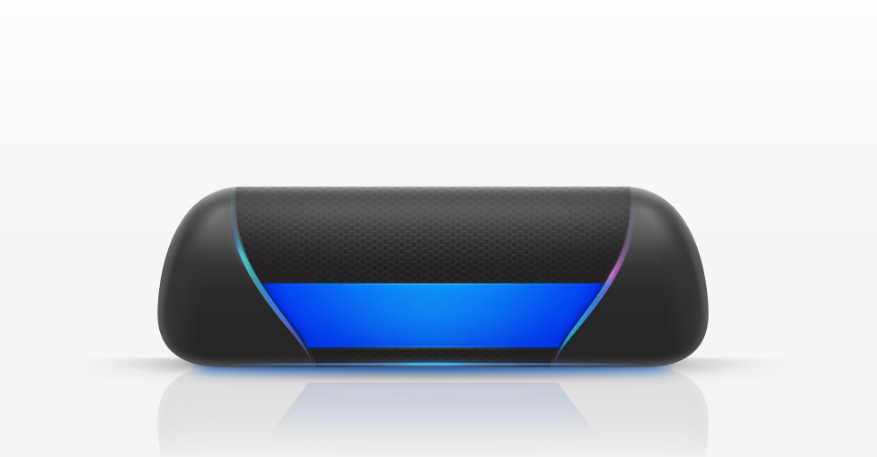
The Benefits and Features of Modern Portable Speakers
Understanding the Popularity of Portable Speakers
Portable speakers have changed the way people enjoy music, podcasts, and other audio content. Their compact designs and wireless connectivity make it easier to listen to favourite sounds at home, during outdoor activities, or while travelling. Unlike traditional speaker systems that require a fixed setup, portable models offer greater flexibility and convenience for everyday use.
A ลำโพงแบบพกพา JBL is an option for consumers looking for portable audio equipment that combines convenient handling with practical listening features. JBL offers a range of portable speaker models, with specifications varying according to size, design, and intended use.
When choosing a portable speaker, buyers should consider sound quality, battery life, connectivity, durability, and ease of transport. Understanding these features makes it easier to select a device that suits individual preferences and daily activities.
Wireless Connectivity and Convenience
Bluetooth connectivity is one of the most useful features of modern portable speakers. It allows compatible smartphones, tablets, and computers to connect without physical audio cables. Users can play music, stream podcasts, or listen to other content while keeping their devices nearby.
Bluetooth performance depends on the speaker’s specifications, the connected device, and the surrounding environment. Newer Bluetooth versions may offer improvements in power efficiency and connection reliability, but the benefits depend on the features supported by both devices.
Some speakers also include additional connection options, although these vary between models. Buyers who want to connect older audio equipment should check whether the speaker supports an auxiliary input or another suitable connection method.
Easy pairing is particularly useful when switching between different listening environments. A speaker that reconnects reliably and offers straightforward controls can make everyday listening more convenient.
Compact Designs for Different Activities
Portability is a major reason people choose compact speakers. Lightweight models are easy to carry in a bag, while larger options may provide stronger output and more substantial bass. The best size depends on where the speaker will be used and how often it needs to be transported.
Small speakers can suit bedrooms, desks, kitchens, and personal listening spaces. Larger portable models may be more suitable for social gatherings, outdoor activities, or areas where sound needs to reach more people.
Design also affects usability. Convenient carrying straps, sturdy housings, and accessible buttons can make a speaker easier to handle. Some models are available in different colours and finishes, allowing consumers to choose a design that matches their preferences.
Before buying, consider the speaker’s dimensions and weight rather than relying only on product photographs. A model that is easy to carry and store is more likely to suit regular use.
Sound Quality and Audio Performance
Sound quality is an important factor when comparing portable speakers. A suitable model should deliver clear vocals, balanced instruments, and enough volume for its intended environment. Performance depends on speaker drivers, acoustic design, digital processing, and the size of the enclosure.
Some portable speakers use passive radiators or multiple drivers to improve bass response and sound distribution. However, these features do not guarantee identical results across different products. Listening preferences and the intended use should guide the final choice.
Smaller speakers may be convenient for personal spaces, but they can have limitations when reproducing deep bass or filling large areas. Larger models often have more room for acoustic components, although their size can make them less convenient to transport.
For people who mainly listen to spoken content, clear dialogue may be more important than powerful bass. Music enthusiasts may prefer a model that offers a balanced sound profile across different genres.
Battery Life and Charging Options
Battery performance determines how long a portable speaker can operate away from a power source. Many models provide several hours of playback, while some offer longer listening times under suitable conditions. Actual performance depends on volume, battery condition, connection settings, and additional features.
Manufacturers often advertise maximum playback times measured under specific conditions. Playing music at high volume may reduce the time between charges, so buyers should consider their normal listening habits when comparing specifications.
Charging methods also vary. Some speakers use USB charging, while others support different charging arrangements. Checking the charging connection and estimated charging time can help users understand how easily the speaker will fit into their routine.
To maintain battery performance, follow the manufacturer’s charging instructions and avoid exposing the device to excessive heat. Regular charging and appropriate storage can help keep the speaker ready for use.
Water and Dust Resistance for Outdoor Use
People who use speakers outdoors may benefit from models with water and dust resistance. These features can provide additional protection against certain environmental conditions, making the device more suitable for activities such as picnics, camping, and gatherings near a swimming pool.
However, protection levels differ between products. Buyers should check the manufacturer’s stated rating and understand what it covers. Water resistance does not necessarily mean that a speaker can be submerged, and protection against dust should not be assumed unless specified.
Even a resistant speaker should be handled carefully. Salt water, sand, excessive heat, and physical impacts may cause damage. Following the manufacturer’s cleaning and care instructions can help maintain the device’s condition.
Smart Features and User Controls
Some portable speakers offer additional functions that improve convenience. Depending on the model, these may include companion applications, customisable sound settings, built-in microphones, or compatibility with selected voice assistants.
Application-based controls can allow users to adjust equaliser settings or manage supported functions through a smartphone. However, voice assistant support and other connected features are not available on every portable speaker.
Simple physical controls remain valuable for everyday use. Clearly marked buttons for power, volume, and playback can make operation straightforward without requiring users to open an application.
When comparing models, prioritise features that will genuinely be useful. A straightforward speaker with reliable sound and battery performance may be a better choice than a more complicated product with functions that rarely get used.
Comparing Brands and Models
The portable speaker market includes brands such as JBL, Sony, and Bose. Each offers products with different designs, sound profiles, features, and price points. Performance varies across individual models, so comparing brands alone may not provide enough information to make a good purchasing decision.
JBL offers portable speakers in different sizes and configurations, including models designed for everyday listening and outdoor use. Consumers should compare the specifications of individual products to determine whether their battery performance, connectivity, durability, and sound output meet their requirements.
It is also worth checking warranty coverage, customer support, and replacement options. These factors can affect the overall value of a speaker beyond its initial purchase price.
Choosing the Right Portable Speaker
The best portable speaker depends on how and where it will be used. People who travel frequently may prioritise compact dimensions and low weight. Those who host gatherings may prefer stronger output and longer battery life, while outdoor enthusiasts may need additional protection against dust and moisture.
Budget is another consideration. Comparing prices alongside important specifications can help consumers avoid paying for unnecessary features. Checking product dimensions, connection options, charging requirements, and warranty terms can also prevent unexpected problems after purchase.
Conclusion
Portable speakers offer a convenient way to enjoy music and other audio content across different settings. Wireless connectivity, compact designs, improved sound performance, and rechargeable batteries make them useful for both indoor and outdoor activities.
Choosing the right model requires careful consideration of sound quality, battery life, portability, durability, and price. By comparing available features and matching them to everyday needs, consumers can find a portable speaker that delivers a practical and enjoyable listening experience.