Inside a Dee Why Physiotherapy Clinic: How Sports Injuries Are Assessed and Treated on the Northern Beaches
The Northern Beaches is built for movement, from paddling before work to coastal runs and weekend footy. When pain interrupts that rhythm, knowing what actually happens inside a physiotherapy appointment helps you make clearer decisions and return with confidence. This article breaks down how a clinic in Dee Why typically approaches sports injuries: the first assessment, patterns seen in local sports, how treatment progresses from pain relief to load, practical checkpoints for returning to sport, and what prevents the same problem from happening again.
What the First Assessment Actually Covers
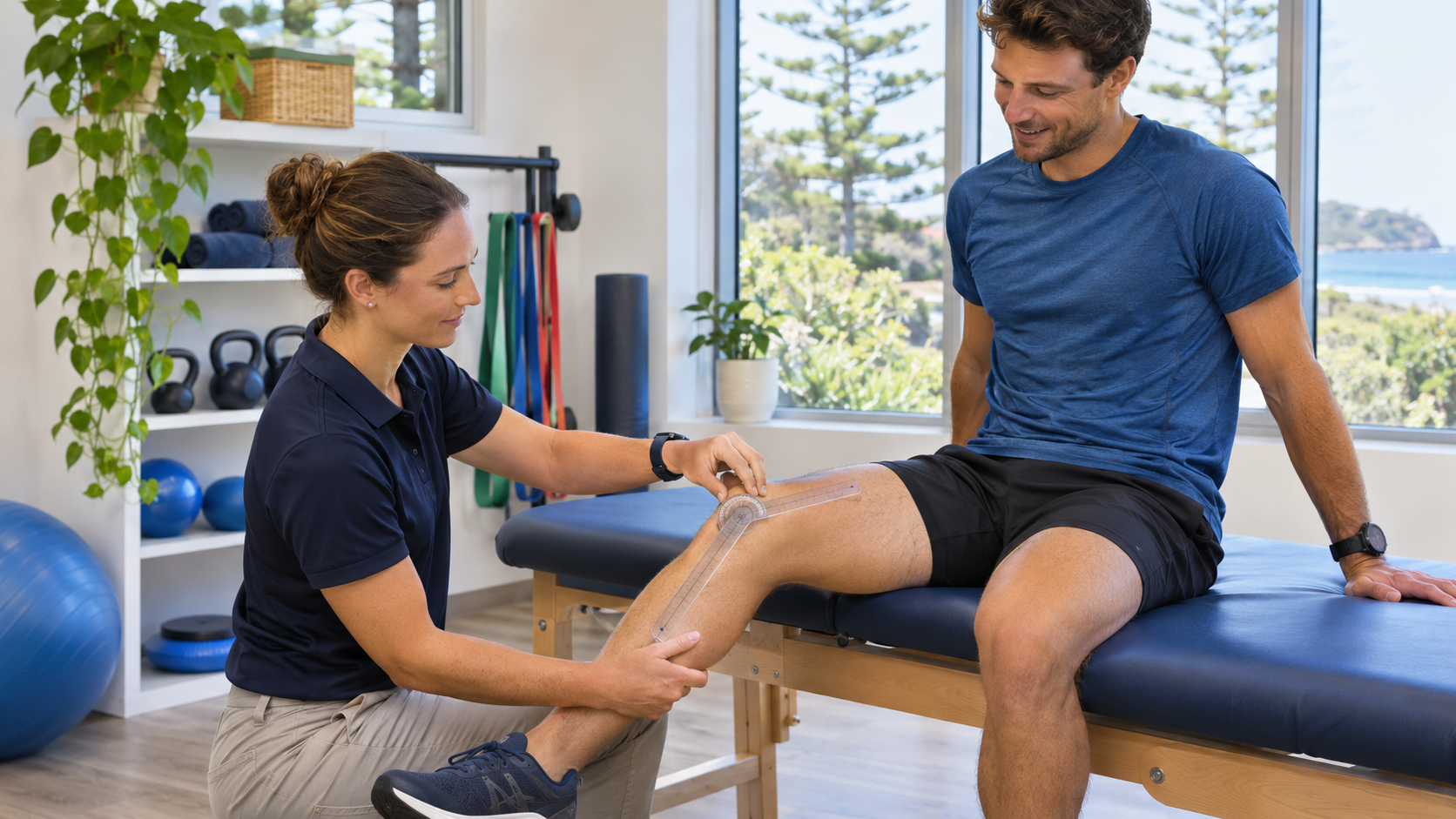
If you book with a Dee Why Physiotherapy clinic, expect the first session to start with a detailed conversation. A physio will map your training load, the moment symptoms started, aggravating and easing factors, and any red flags like night pain or unexplained weight change. Then comes objective testing: range of motion measured with a goniometer, strength checks for key muscle groups like the rotator cuff or calf complex, and functional screens such as a squat on one leg or a hop test. The goal is to connect what you feel to specific tissues and movement patterns rather than chasing pain alone.
Decisions in that first hour shape the plan. A big spike in running volume often points toward Achilles or patellar tendinopathy, while an ache that develops gradually behind the kneecap during stairs suggests patellofemoral joint overload. For surfers, limited thoracic rotation paired with heavy paddling can flag rotator cuff irritation or scapular control deficits. Imaging is not always necessary on day one; many problems are guided by clinical findings. When red flags or suspected fractures are present, your physio will coordinate referral for X-ray or MRI and adapt care accordingly.
Local Sport Patterns That Shape Injury Risk
Surf and ocean swimming drive a distinct shoulder profile. Prolonged paddling with a stiff middle back can overload the supraspinatus and biceps tendon, so treatment usually blends cuff strengthening, scapular upward rotation drills, and thoracic mobility work. Coastal running and trail loops create different stress. Descents can flare the patellofemoral joint, while soft sand increases Achilles and plantar fascia load. Two small changes often help: raising running cadence slightly to reduce knee compression per step, and rotating footwear to match terrain. Court and field sports add cutting and deceleration forces that challenge the ACL and lateral ankle ligaments, so progressions typically include balance, Copenhagen adduction holds, and drills involving changes in direction before full scrimmage.
From Pain Relief to Load Progression
Early care aims to settle symptoms without stripping away all activity. That usually means reducing training load rather than full rest, plus targeted options for pain relief like patellar taping, gentle joint mobilization, and isometric strengthening. The tradeoff to weigh here is immediate symptom relief versus lasting physical capacity. Massage alone can provide a window of comfort, but without progressive loading of the irritated tissue, the problem often returns when normal training resumes. For leg pain related to nerves, gentle neural glides and positions of comfort may be introduced to calm irritability while you stay moving.
Once pain allows, loading becomes the main therapy. Tendon issues respond to a graduated plan: slow tempo calf raises for Achilles, or controlled knee extensions and split squats for patellar tendon, before faster plyometrics. Shoulder irritability improves with external rotation and scaption work, adding exercises that involve supporting body weight through the arms, like wall slides, as tolerance builds. Runners coming back from knee pain might start with intervals alternating walking and running, monitoring the response over 24 to 48 hours before changing distance or pace. The principle is simple and powerful: apply enough stress to stimulate adaptation, then progress one variable at a time.
Return to Sport Benchmarks You Can Use
Positive signs are more reliable when they are objective. For injuries affecting the legs, a quality squat on one leg without the knee collapsing inward, comparable hop and landing control on both sides, and the ability to complete planned running sessions without delayed flare-ups are practical markers. For shoulders, a range of motion without pain above head height, steady scapular control under load, and the capacity to perform repeated paddling or overhead drills without symptom spikes point toward readiness. Field athletes often progress through drills without contact, then limited contact, before match play. Confidence matters too; if you brace during cutting or hesitate at the point of contact, that is feedback to spend a little longer in fast movements and practice specific to your sport.
Preventing Relapse Once You Are Back
Relapse prevention is a set of habits, not a discharge note given only once. Keep two or three exercises requiring only a little time in your week, such as eccentric calf raises, hip abductor work for knee control, or rotator cuff endurance sets. Track training load so hills, paddling volume, or game minutes do not jump all at once. Build a warm-up that includes dynamic balance and short hops before faster activity. Small environment adjustments help too: rotate running shoes for different surfaces, swap a run on soft sand for a firmer shoreline when calves are tired, and schedule a week of lighter training after three hard ones. A short appointment with your physio after four to six weeks can catch early warning signs and refine your plan.
Quality physiotherapy is less about a single technique and more about connecting your sport, your tissues, and your training habits into one coherent plan. If you know what a thorough assessment looks like, which local activity patterns push certain structures, and how clear benchmarks guide a safe return, you can ask better questions and make steadier progress. Whether you are easing a surf shoulder, calming an irritable patellofemoral joint, or rebuilding after an ankle sprain, the blend of sensible reductions in training load, progressive loading, and simple prevention habits is what keeps Northern Beaches athletes moving.